
Project location: CanmetENERGY Ottawa, Ottawa, ON
Timeline: 5 years (2023-2028)
Program: Funded by the Program of Energy R&D and Hydrogen Codes & Standards program
Project Overview and Objectives
The Challenge: Decarbonizing Heating
Our reliance on natural gas for building space and water heating applications results in greenhouse gas (GHG) emissions. While electrification is a promising solution, it may not be suitable for all applications. Hydrogen, hydrogen blends and metal fuels offer innovative, complementary options for decarbonizing heating systems, especially in cold climates with high heating demands.
Hydrogen and Hydrogen Blends: A Stepping Stone to Clean Heat
Potential benefits:
- Reduced GHG emissions: Blending hydrogen with natural gas could help reduce emissions compared to traditional natural gas.
- Leverages existing infrastructure: Existing natural gas pipelines can be used for hydrogen blends, minimizing infrastructure upgrades.
- Complements renewables: Hydrogen can store and balance renewable energy sources.
Metal Fuels: Zero-Carbon Heating for the Future
Potential benefits:
- Zero carbon emissions: Iron-based metal fuels combust without producing CO2 or water vapor.
- Abundant resources: Iron ore is readily available in Canada, making metal fuels a potentially feasible option.
- High-density energy storage: Metal fuels can be stored for long periods and transported efficiently.
- Recyclable: Iron oxides produced can be recycled back to fuel with high efficiency.
Project Activities and Expected Impacts
Hydrogen and Hydrogen blends
Developing codes and standards: We are working with organizations like CSA and ASHRAE to establish safe and reliable standards for hydrogen-fueled heating equipment.
Testing facilities: Our facilities allow us to test various heating appliances with hydrogen blends, ensuring compatibility and performance.
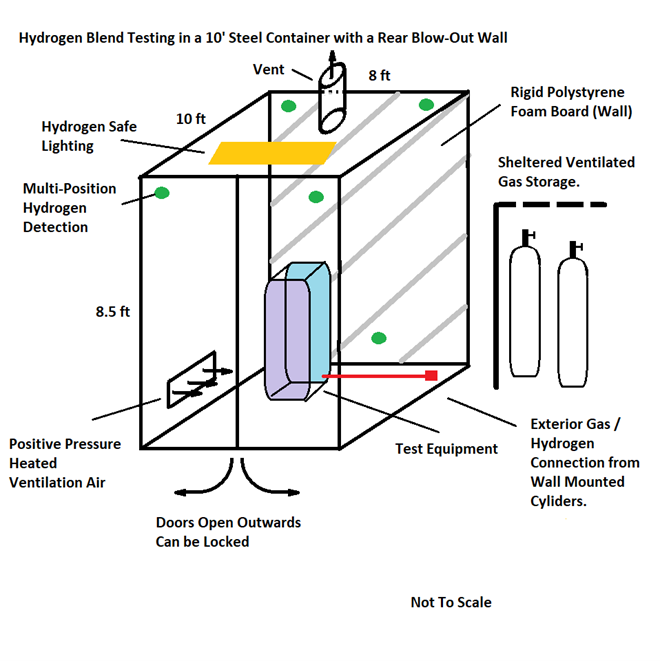
Figure 1: A Hydrogen blending facility capable of testing up to 100% Hydrogen at CanmetENERGY Ottawa
Figure 1: A Hydrogen blending facility capable of testing up to 100% Hydrogen at CanmetENERGY Ottawa
Metal Fuels: Zero-Carbon Heating for the Future
Investigating feasibility and applications:
- Building heating: Metal fuels could potentially reduce energy costs by mitigating electricity demand charges.
- Remote communities: Metal fuels have the potential to offer a clean and reliable energy source for off-grid communities.
- Heat extraction optimization: We're researching ways to maximize heat extraction from metal fuel combustion.
- Combustion products management: Investigating solutions to prevent heat exchanger fouling from dry combustion products.
- Ignition and flame stability: Developing techniques for reliable ignition and stable flame behavior.
- NOx emissions control: Evaluating existing technologies like lean combustion, flue gas recirculation, and plasma DeNOx to control NOx emissions.