

Filter your results
Type
Keywords:Article
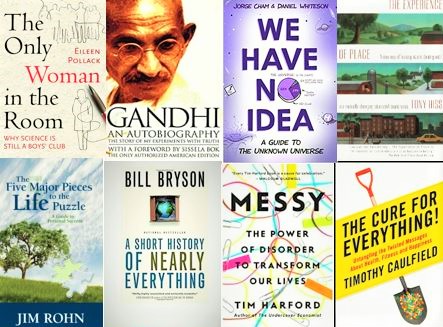
The gift of reading for science buffs
The written word has long helped us understand science and the natural world around us. In fact, Natural Resources Canad

Keywords:Podcast
Incorporating Artificial Intelligence (Ask NRcan)
Like many organizations, the Government of Canada is exploring ways to incorporate artificial intelligence into our work
Keywords:Article
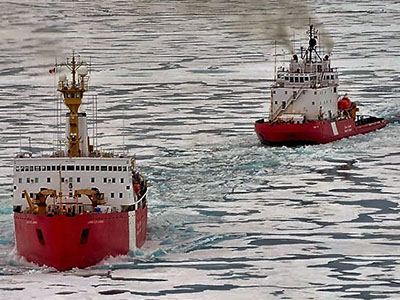
Extending our outer limits: Canada’s 2019 Arctic Ocean continental shelf submission to the United Nations
The Arctic Ocean is a vast, cold, isolated and utterly fascinating part of the northern hemisphere. Beneath its surface,
Keywords:Article
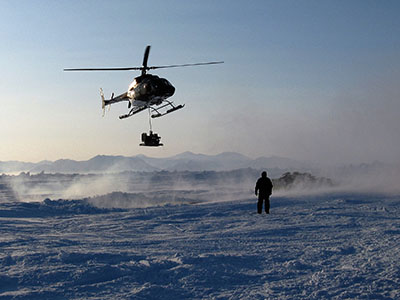
Extending our outer limits: Canada’s 2019 Arctic Ocean continental shelf submission to the United Nations (photo gallery)
Based on massive amounts of geoscientific data measuring the seafloor, an additional 1.2 million square kilometres could
Keywords:Podcast
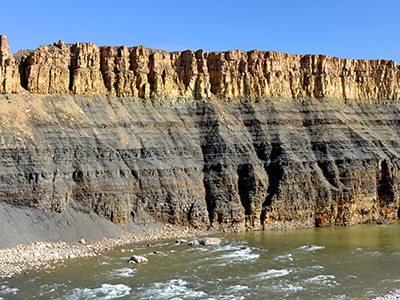
Discovering microfossils that are a BILLION years old (Ask NRCan)
During a geological mapping expedition to the western Canadian Arctic in 2014, research scientist Rob Rainbird collected
Keywords:Podcast
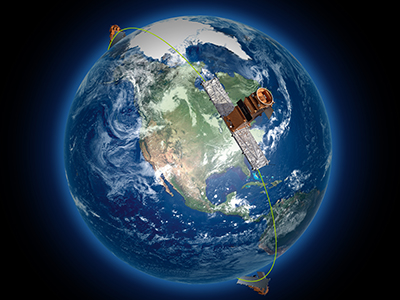
Activating the RADARSAT Constellation Mission (Natural Elements)
With Canada’s newest generation of radar satellites successfully launched, it is now up to Natural Resources Canada to e
Keywords:Article
Living fossils meet modern technology
The world’s oceans in their great vastness support an incredible diversity of aquatic species. But how much do we really
Keywords:Podcast
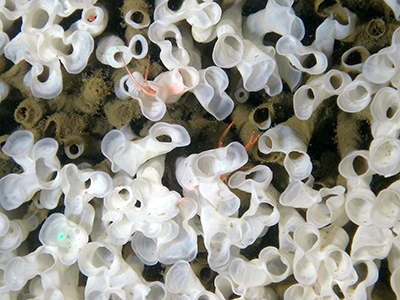
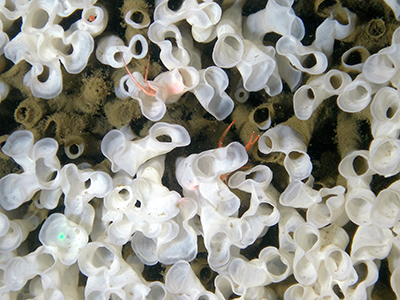
Discovering Glass Sponge Reefs (Ask NRCan)
In the 1980s, scientist Kim Conway was part of an expedition to map the continental shelf in the Pacific Ocean. During t
Keywords:Article
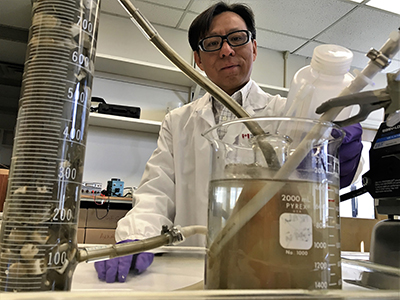
Mining value from waste: a potential game changer
Historically, much of the waste from mining activities has posed long-term liability issues with little or no economic v
Keywords:Video
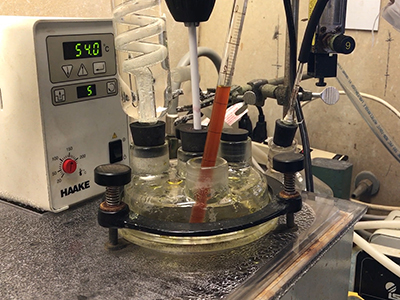
Mining Value from Waste (Byte-Sized Science)
Terry Cheng reprocesses mine waste to cut impacts and recover valuable metals - YouTube Video (2:13 minutes)